

Islamabad Travel Guide: Best Places to Visit, Things to Do, and Practical Tips
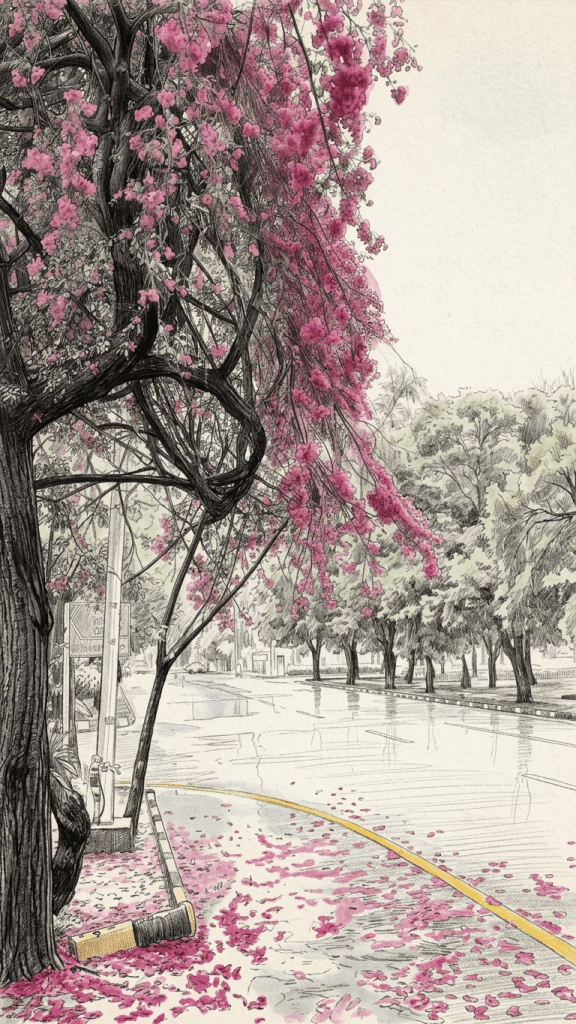
Islamabad is Pakistan’s modern capital and one of South Asia’s greenest cities. Wide roads, clean neighborhoods, scenic hills, and peaceful parks make it different from many other capitals. It suits travelers who enjoy nature, history, local food, and relaxed sightseeing.
Quick Answer
Islamabad is worth visiting for its mountain views, modern architecture, hiking trails, museums, and easy access to northern Pakistan. Most visitors spend two to four days exploring the city before continuing to destinations like Murree, Naran, or Hunza.
Where Is Islamabad?
Islamabad lies in northeastern Pakistan at the foot of the Margalla Hills. It borders Rawalpindi, creating a large metropolitan area with millions of residents.
The city’s location makes it a convenient starting point for road trips into Pakistan’s northern mountains.
Why Visit Islamabad?
Islamabad offers a slower pace than many major cities in the region. Streets are less crowded, green spaces are everywhere, and many attractions sit within a short drive.
Visitors often choose Islamabad because it combines natural scenery with modern facilities. English is widely understood in tourist areas, making travel easier for international visitors.
Best Places to Visit
Faisal Mosque
Faisal Mosque is Islamabad’s most famous landmark. Its unique design resembles a Bedouin tent instead of a traditional mosque.
The mosque sits against the Margalla Hills, creating one of Pakistan’s most photographed views.
Visit early morning or before sunset for cooler weather and softer light.
Daman-e-Koh
Daman-e-Koh is a viewpoint inside Margalla Hills National Park. It overlooks the city and offers excellent photography opportunities.
Monkeys often appear near the viewing area, but avoid feeding them.
Pakistan Monument
The Pakistan Monument represents the country’s provinces and cultures through its flower-shaped design.
Inside, the museum explains Pakistan’s history using interactive displays and historical exhibits.
Lok Virsa Museum
Lok Virsa Museum introduces visitors to Pakistan’s diverse traditions. Exhibits include clothing, musical instruments, crafts, and regional artwork.
It is one of the best places to understand the country’s cultural heritage.
Rawal Lake
Rawal Lake provides a peaceful escape from the city center. Visitors enjoy boating, walking trails, birdwatching, and family picnics.
Early mornings offer calm water and cooler temperatures.
Saidpur Village
Saidpur Village blends restored historic buildings with modern cafés and restaurants.
Walking through its narrow streets reveals traditional architecture surrounded by mountain scenery.
Best Things to Do
Hike one of the Margalla Hills trails.
Watch the sunset from Pir Sohawa.
Try traditional Pakistani barbecue.
Visit local markets for handmade crafts.
Relax in Fatima Jinnah Park.
Take a short trip to Taxila, a UNESCO World Heritage Site less than an hour away.
Best Time to Visit
October through April offers the most comfortable weather.
Spring brings blooming flowers and pleasant temperatures.
Summer can become hot during the afternoon, although evenings remain enjoyable.
The monsoon season creates greener landscapes but may interrupt outdoor activities.
Winter is cool, with occasional fog during early mornings.
Local Food to Try
Islamabad’s restaurants serve dishes from every region of Pakistan.
Popular choices include:
- Chicken karahi
- Seekh kebabs
- Nihari
- Chapli kebab
- Biryani
- Fresh naan
Many rooftop restaurants also offer impressive views of the city after sunset.
Getting Around
Ride-hailing services make transportation simple and affordable.
Private taxis are available throughout the city.
Rental cars suit travelers planning day trips outside Islamabad.
Public buses operate on major routes but may be less convenient for tourists.
Typical Travel Costs
Islamabad fits many budgets.
Budget travelers can find hotels starting around $25 per night.
Mid-range hotels usually cost between $50 and $120.
Luxury hotels often begin around $150.
Restaurant meals range from $3 at local eateries to over $30 in fine dining restaurants.
Ride-hailing trips inside the city usually cost only a few dollars.
Safety Tips
Islamabad is widely considered one of Pakistan’s safest major cities for tourists.
Carry your passport or a copy while sightseeing.
Dress modestly when visiting religious sites.
Drink bottled water during your stay.
Use licensed taxis or trusted ride-hailing apps after dark.
Day Trips from Islamabad
Murree offers cool weather and mountain scenery.
Taxila reveals ancient Buddhist ruins and fascinating museums.
Khanpur Dam attracts visitors for boating, kayaking, and water sports.
The Margalla Hills provide several hiking routes with panoramic city views.
FAQ
Is Islamabad safe for tourists?
Yes. Islamabad is generally safe for visitors who follow normal travel precautions and stay aware of local guidance.
How many days should you spend in Islamabad?
Two to four days allow enough time to visit major attractions and enjoy nearby nature.
What is Islamabad famous for?
Islamabad is known for Faisal Mosque, the Margalla Hills, clean streets, modern city planning, and easy access to northern Pakistan.
Can tourists wear casual clothes?
Yes. Casual clothing is common, but modest dress is recommended, especially at religious and cultural sites.
Final Thoughts
Islamabad offers a rare mix of nature, history, and modern city life. Its peaceful atmosphere, mountain scenery, and welcoming residents create a different side of Pakistan. Whether you enjoy hiking, culture, or local cuisine, the city provides memorable experiences without the crowds found in many other capitals.